Σύμφωνα με δημοσίευμα του περιοδικού DSTV που ειδικεύεται στα δορυφορικά, η NOVA σκληραίνει την στάση της και μετά το εξώδικο, στους διαχειριστές του justin.tv και του blog troktiko, έδωσε την έγκρισή της στην FORTHNET στο να ελέγξει και καταγράψει όλες τις IP πελατών της, ώστε να διαπιστωθεί ποιοι από αυτούς μοιράζουν η μοιράζονται κλειδιά από κάρτες NOVA, το γνωστό και ως internet card sharing.
Όπως γράφετε στο περιοδικό, έχει γίνει αίτηση στην εισαγγελική αρχή έτσι ώστε να εξαναγκασθούν και οι άλλοι παροχείς να κάνουν το ίδιο, δίνοντας έτσι τα στοιχεία των πελατών τους που χρησιμοποιούν αυτόν τον παράνομο τρόπο διαμοίρασης.
To θέμα αμέσως έλαβε διαστάσεις στο δορυφορικό και Internetικό γίγνεσθαι και κάποιοι χρήστες ήδη ετοιμάζονται να κάνουν καταγγελία στην αρχή προστασίας προσωπικών δεδομένων θίγοντας έτσι το ευαίσθητο θέμα του προσωπικού απορρήτου.
Μάλιστα σε συζητήσεις χρηστών γράφεται τόσο ότι η Forthnet έχει στείλει σχετικό memo στην HOL, όσο ότι στην Κατερίνη ήδη συνελήφθησαν κάποιοι για αυτό τον λόγο.
Υπενθυμίζεται ότι η τηλεπικοινωνιακή εταιρεία Forthnet έχει αγοράσει το πλειοψηφικό πακέτο της NOVA εδώ και 11 μήνες.

Showing posts with label Ειδήσεις. Show all posts
Showing posts with label Ειδήσεις. Show all posts
Tuesday, 7 April 2009


Monday, 23 March 2009
Save the children? ICANN opens debate on CyberSafety charter

The group behind the campaign to take porn off of port 80 is now lobbying ICANN to create a new "Cybersafety Constituency" to assist in the formulation of domain name system policy.
ICANN has been soliciting a lot of comments on its governance and future of late, including one petition to form a CyberSafety Constituency (CSC) within the Non-Commercial Stakeholders Group. (NCSG). The petition (PDF) as filed with ICANN is fairly innocuous and harmless-sounding, but the woman doing the filing—Professor Cheryl B. Preston, of Brigham Young University—has ties to other nonprofit organizations that should have been disclosed at some point within the application procedure.
Preston is general counsel for the nonprofit group CP80, which advocates for the creation of an Internet filtration system that would supposedly seek to keep porn and other adult content sandboxed away from the family-friendly tubes. The organization deserves credit for proposing a system that wouldn't automatically cripple Internet access speeds nationwide, force deep packet inspection, or turn ISPs into de facto Internet police. That said, failing to qualify as prima facie terrible does not automatically qualify CP80's legislative baby, the Internet Community Portals Act (ICPA) as a good idea.
Filtering at the port level
CP80's solution to the seemingly intractable problem of Internet filtering is to segregate traffic by port. All "normal" traffic (have fun defining that) would continue to flow over Port 80 or whatever port it's currently assigned to. Adult content, however, would be shifted away from Port 80 (hence the group's name, "Clean Port 80") and on to a new port—let's call it Port XXX. Were CP80's legislation to pass, the Internet would look something like this:

The system as illustrated would allow an ISP to sell access plans to both the filtered and unfiltered Internet, consumers could choose which they want, freedoms are preserved, and everyone goes home happy...at least in theory. CP80's proposal might deserve a small bit of credit for avoiding some of the obvious issues that sank the concept of an adult-content .XXX domain name—except for the massive technical flaws and political challenges inherent to the ICPA's design. If you're already wondering about international governance and enforcement, don't worry—CP80 has anticipated your concerns:

Got that?
The ICANN connection
Professor Preston describes the CSC as a group that would focus on Internet safety issues and cites her personal concern that "as Internet policies are developed at ICANN, the interests of families, children, consumers, victims of cybercrime, religions, and cultures become better represented...we need to carefully craft mechanisms involving law and industry that balance unfettered free speech and anonymity with some protections against exploitation of the most vulnerable, the ability to address and reduce criminal activity, and the right of Internet users to have choices in the nature of their access."
As proposed, the CSC would also function as a global outreach initiative and would attempt to coordinate international responses to what the paper posits are common cross-border, cross- cultural concerns. Again, as written, all of this is very kosher: everyone wants to balance rights and responsibilities, protect the "most vulnerable" from exploitation, and give users freedom of choice. Preston's letter advocating the creation of the CSC is consistent with her work for CP80, but some mention of the latter should occur in any discussion of the former, especially since CP80 makes it clear that they've considered the role ICANN might hypothetically play in the creation and international adoption of ICPA-equivalent legislation.
Preston's omission is made potentially more serious by the fact that CP80 itself isn't exactly a digital city on a hill. The organization is headed by Ralph Yarro III, CEO and largest shareholder of the SCO Group. He's also the Founder/CEO of ThinkAtomic; if you visit that company's website you'll note (for now, at least) that the "Featured Company" of the day is CP80. ThinkAtomic is a prominent backer of CP80, and is listed as providing the group with legal, strategic, medical, and technology contributions. Run down the page, and you'll note a common last name—Ralph, Justin, and Matthew Yarro are all listed as technology contributors.
If the BYU professor is serious about establishing the CSC, she'd do well to distance herself from either CP80 or the CSC petition before ICANN. There's nothing within the CSC's stated mission objective that would automatically create conflict with other actors interested in maintaining free speech and online anonymity. The best way to disperse accusations that she or the organization she currently represents has a hidden agenda is to cut ties with one or the other. Whether people agree or disagree with any particular position a hypothetical CSC might advocate, they won't respect the body as legitimate if its viewed as nothing more than the puppet of a US group.
As for CP80's ICPA proposal, it's a bad idea; there's no way feasibly address the political and technical challenges of the project. Even if all such barriers vanished, there would still remain the age-old question of censorship—who does the censoring and writes the standards? Pretending that these issues are irrelevant because we all agree that protecting children is important is whitewashing the topic at its finest. ICANN is accepting public comment on the issue.
By Joel Hruska
Monday, 16 March 2009
Fingerprinting Blank Paper Using Commodity Scanners
Today Will Clarkson, Tim Weyrich, Adam Finkelstein, Nadia Heninger, Alex Halderman and I released a paper, Fingerprinting Blank Paper Using Commodity Scanners. The paper will appear in the Proceedings of the IEEE Symposium on Security and Privacy, in May 2009.
Here's the paper's abstract:
This paper presents a novel technique for authenticating physical documents based on random, naturally occurring imperfections in paper texture. We introduce a new method for measuring the three-dimensional surface of a page using only a commodity scanner and without modifying the document in any way. From this physical feature, we generate a concise fingerprint that uniquely identifies the document. Our technique is secure against counterfeiting and robust to harsh handling; it can be used even before any content is printed on a page. It has a wide range of applications, including detecting forged currency and tickets, authenticating passports, and halting counterfeit goods. Document identification could also be applied maliciously to de-anonymize printed surveys and to compromise the secrecy of paper ballots.
Viewed under a microscope, an ordinary piece of paper looks like this:

The microscope clearly shows individual wood fibers, laid down in a pattern that is unique to this piece of paper.
If you scan a piece of paper on an ordinary desktop scanner, it just looks white. But pick a small area of the paper, digitally enhance the contrast and expand the image, and you see something like this:

The light and dark areas you see are due to two factors: inherent color variation in the surface, and partial shadows cast by fibers in the paper surface. If you rotate the paper and scan again, the inherent color at each point will be the same, but the shadows will be different because the scanner's light source will strike the paper from a different angle. These differences allow us to map out the tiny hills and valleys on the surface of the paper.
Here is a visualization of surface shape from one of our experiments:

This part of the paper had the word "sum" printed on it. You can clearly see the raised areas where toner was applied to the paper to make the letters. Around the letters you can see the background texture of the paper.
Computing the surface texture is only one part of the job. From the texture, you want to compute a concise, secure "fingerprint" which can survive ordinary wear and tear on the paper, such as crumpling, scribbling or printing, and moisture. You also want to understand how secure the technology will be in various applications. Our full paper addresses these issues too. The bottom-line result is a sort of unique fingerprint for each piece of paper, which can be determined using an ordinary desktop scanner.
For more information, see the project website or the research paper.
By Ed Felten
Here's the paper's abstract:
This paper presents a novel technique for authenticating physical documents based on random, naturally occurring imperfections in paper texture. We introduce a new method for measuring the three-dimensional surface of a page using only a commodity scanner and without modifying the document in any way. From this physical feature, we generate a concise fingerprint that uniquely identifies the document. Our technique is secure against counterfeiting and robust to harsh handling; it can be used even before any content is printed on a page. It has a wide range of applications, including detecting forged currency and tickets, authenticating passports, and halting counterfeit goods. Document identification could also be applied maliciously to de-anonymize printed surveys and to compromise the secrecy of paper ballots.
Viewed under a microscope, an ordinary piece of paper looks like this:

The microscope clearly shows individual wood fibers, laid down in a pattern that is unique to this piece of paper.
If you scan a piece of paper on an ordinary desktop scanner, it just looks white. But pick a small area of the paper, digitally enhance the contrast and expand the image, and you see something like this:

The light and dark areas you see are due to two factors: inherent color variation in the surface, and partial shadows cast by fibers in the paper surface. If you rotate the paper and scan again, the inherent color at each point will be the same, but the shadows will be different because the scanner's light source will strike the paper from a different angle. These differences allow us to map out the tiny hills and valleys on the surface of the paper.
Here is a visualization of surface shape from one of our experiments:

This part of the paper had the word "sum" printed on it. You can clearly see the raised areas where toner was applied to the paper to make the letters. Around the letters you can see the background texture of the paper.
Computing the surface texture is only one part of the job. From the texture, you want to compute a concise, secure "fingerprint" which can survive ordinary wear and tear on the paper, such as crumpling, scribbling or printing, and moisture. You also want to understand how secure the technology will be in various applications. Our full paper addresses these issues too. The bottom-line result is a sort of unique fingerprint for each piece of paper, which can be determined using an ordinary desktop scanner.
For more information, see the project website or the research paper.
By Ed Felten
Wednesday, 4 March 2009
Friday, 20 February 2009
Fight against cyber crime: cyber patrols and Internet investigation teams to reinforce the EU strategy.
The Council of ministers of the European Union adopted today the Council's strategy to reinforce the fight against cyber crime. The strategy proposes a series of operational measures, such as cyber patrols, joint investigation teams and remote searches to become part of the fight against cybercrime in the next five years. The strategy also introduces concrete steps for closer cooperation and information exchange between law enforcement authorities and the private sector.
Cyber crime is a growing threat to our societies today. EU member states suffer daily thousands of attacks against their information systems. Viruses facilitating stealing information from personal computers, spam, identity theft, and child pornography are increasingly widespread. According to recent reports, images of sexually abused children available on-line quadrupled in the last five years and half of all internet crime involves the production, distribution and sale of child pornography.
The European Commission has cooperated closely with the French Presidency and the Member States in the elaboration of a series of practical measures to fight cyber crime. The new strategy recommends reinforcing partnership between the police and the private sector by better knowledge-sharing on investigation methods and trends in cyber crime. It also encourages both parties to respond quickly to information requests, resort to remote searches, cyber patrols for online tracking of criminals and joint investigations across borders. The strategy also calls for the setting up of an alert platform in the short term, where reports on crime committed on the Internet, such as posting of illegal content, in EU member states would be pooled for cross-checking by Europol. The Commission earmarked 300,000 euro for Europol to implement the platform.
Vice-President Jacques Barrot highlighted the importance of this strategy by saying "The strategy encourages the much needed operational cooperation and information exchange between the Member States. It gives a shared responsibility to the Commission, the Member States and other stakeholders to introduce the different measures. If the strategy is to make the fight against cyber crime more efficient, all stakeholders have to be fully committed to its implementation. We are ready to support them, also financially, in their efforts."
To find out more about Vice-President Jacques Barrot work please visit his website:
http://ec.europa.eu/commission_barroso/barrot/welcome/default_en.htm
Cyber crime is a growing threat to our societies today. EU member states suffer daily thousands of attacks against their information systems. Viruses facilitating stealing information from personal computers, spam, identity theft, and child pornography are increasingly widespread. According to recent reports, images of sexually abused children available on-line quadrupled in the last five years and half of all internet crime involves the production, distribution and sale of child pornography.
The European Commission has cooperated closely with the French Presidency and the Member States in the elaboration of a series of practical measures to fight cyber crime. The new strategy recommends reinforcing partnership between the police and the private sector by better knowledge-sharing on investigation methods and trends in cyber crime. It also encourages both parties to respond quickly to information requests, resort to remote searches, cyber patrols for online tracking of criminals and joint investigations across borders. The strategy also calls for the setting up of an alert platform in the short term, where reports on crime committed on the Internet, such as posting of illegal content, in EU member states would be pooled for cross-checking by Europol. The Commission earmarked 300,000 euro for Europol to implement the platform.
Vice-President Jacques Barrot highlighted the importance of this strategy by saying "The strategy encourages the much needed operational cooperation and information exchange between the Member States. It gives a shared responsibility to the Commission, the Member States and other stakeholders to introduce the different measures. If the strategy is to make the fight against cyber crime more efficient, all stakeholders have to be fully committed to its implementation. We are ready to support them, also financially, in their efforts."
To find out more about Vice-President Jacques Barrot work please visit his website:
http://ec.europa.eu/commission_barroso/barrot/welcome/default_en.htm
Tuesday, 17 February 2009
Microsoft and Girl Scouts take on online safety

Seattle Tech Report discovered that Microsoft has teamed up with Girl Scouts of the USA to create LMK ("let me know"), an online safety website for girls. There is a version for teenagers, lmk.girlscouts.org (blogs, forums, articles, quizzes, and polls), and one for parents, letmeknow.girlscouts.org (lead by Internet security lawyer Parry Aftab). Subjects that are discussed include cyberbullying, predators, and social networking.
It's a girl-for-girl tech campaign that also gives parents the tools they need to protect their girls. The campaign also includes a monthly e-newsletter distributed to adults that covers the Internet safety topic the all-girl editorial board explored that month. Shannon, a member of the LMK editorial team, said it best: "Being online is a part of every teenage girl's life. Now we have a chance to teach our parents a thing or two about the real issues we face every day."
So how does Microsoft fit in? The software giant offers resources and provides online safety guidance in support of LMK. "Most teens understand the Internet and technology better than their parents," says Erika Takeuchi, product manager for Windows Client Interactive and Digital Creative Development at Microsoft. "These tools will teach parents effective ways to help protect their families from risks such as file-sharing abuse and exposure to potential dangerous content." It's always heartening to see different organizations collaborating together for the common goal of raising awareness about issues.
By Emil Protalinski
Saturday, 7 February 2009
Risks of Xbox-ing
Lately, a worryingly rising number of cases of criminal activity via abuse of Xbox-es and other Net-able gaming equipment have come to light. Most incidents reported at the minute come from the US (e.g. here and here) however this is a situation that needs to be studied carefully further, both in terms of its social as well as its technical aspects.
Gaming consoles are by definition appealing to children and their Internet connection capabilities expose vulnerable users to the same Internet risks that instant messaging or other networking features do over conventional computers. The problem here is that most gaming machines are proprietary, closed source and patented. Most companies are reluctant to release information on the architecture, software etc. features due to commercial purposes. Thus their forensic analysis, that facilitates investigation of incidents like the above and can event contribute to their avoidance, is very difficult.
Thankfully various researchers have got their hands on such machines already (e.g. Burke & Craiger, 2007; Vaughan, 2004 etc.) providing the forensic community with an insight of the particularities of those platforms - there is however quite a lot of work to be done still on this front.
Gaming consoles are by definition appealing to children and their Internet connection capabilities expose vulnerable users to the same Internet risks that instant messaging or other networking features do over conventional computers. The problem here is that most gaming machines are proprietary, closed source and patented. Most companies are reluctant to release information on the architecture, software etc. features due to commercial purposes. Thus their forensic analysis, that facilitates investigation of incidents like the above and can event contribute to their avoidance, is very difficult.
Thankfully various researchers have got their hands on such machines already (e.g. Burke & Craiger, 2007; Vaughan, 2004 etc.) providing the forensic community with an insight of the particularities of those platforms - there is however quite a lot of work to be done still on this front.
Boy, 4, girl 12, rescued in child-porn sweep!
JOINT-FORCES PROBE
Boy, 4, girl 12, rescued in child-porn sweep
At least two of 31 charged are repeat offenders, a problem that is becoming all too familiar, police say
TIMOTHY APPLEBY
February 6, 2009
In one appalling detail, the Ontario-wide child pornography sweep that culminated yesterday in 31 arrests was different from most such investigations: a four-year-old boy and a 12-year-old girl were rescued from homes where they had been abused and photographed.
But in another respect it was business as usual for the Ontario Provincial Police child sexual exploitation unit, which led the joint probe: At least two of the 31 people arrested, who included three minors and a 60-year-old man, had been convicted before of possessing or distributing child pornography.
Repeat child-porn offenders are all too familiar to police.
"We arrest them one year, and five, six years later we get them again," says Staff Sergeant Frank Goldschmidt, who co-ordinated the latest roundup, the largest of its kind in the province.
"And the repeat offenders I find are worse - younger children, material showing children with sex and violence."
Patrolling the Internet for child pornography requires a combination of sophisticated software and smart undercover sleuthing. But as OPP Commissioner Julian Fantino said yesterday in announcing the charges, police "feel challenged in our ability to keep pace with the pervasive use being made of [Internet technology] by those who seek to victimize children."
Several recent cases underline the complexity of the battle.
When Peterborough, Ont., repeat child pornography offender Stephen Bauer was handed an unusually tough prison term of almost four years late last year, a factor that disturbed the sentencing judge, Madam Justice Michelle Fuerst, was that one of his laptops contained a pirated version of a sophisticated encryption program called EnCase, supposedly used exclusively by police and the military. Equally devious was the ploy of Canadian pedophile Christopher Paul Neil, 33, run to ground in Thailand and jailed last year after posting Internet pictures that showed him abusing young boys, his face obscured by a digital swirl that German experts were able to unravel.
Detective Paul Krawczyk of the Toronto Police sex-crimes unit recounts arresting one child-porn consumer on three different occasions.
Each time, he deployed different techniques to hide his collection.
"And if we get him a fourth time it'll probably be different again."
Compounding the difficulties for investigators, Det. Krawczyk says, is the transparency of the prosecution process.
"They go through court and they get full disclosure, so they learn exactly how we caught them the first time."
Despite the risk of criminal charges and the life-wrecking disgrace that often accompanies them, there is no sign of declining demand for child pornography, most of which is produced not in Eastern Europe or South Asia, police say, but in North America.
Before this week's arrests, the provincial joint-forces unit that combats child pornography, comprising 18 police forces that work closely with the OPP, had since August, 2006, laid 1,983 charges against 634 people.
In the same period, the OPP's in-house task force laid an additional 392 charges against 144 people, about 5 per cent of whom were repeat offenders.
Boy, 4, girl 12, rescued in child-porn sweep
At least two of 31 charged are repeat offenders, a problem that is becoming all too familiar, police say
TIMOTHY APPLEBY
February 6, 2009
In one appalling detail, the Ontario-wide child pornography sweep that culminated yesterday in 31 arrests was different from most such investigations: a four-year-old boy and a 12-year-old girl were rescued from homes where they had been abused and photographed.
But in another respect it was business as usual for the Ontario Provincial Police child sexual exploitation unit, which led the joint probe: At least two of the 31 people arrested, who included three minors and a 60-year-old man, had been convicted before of possessing or distributing child pornography.
Repeat child-porn offenders are all too familiar to police.
"We arrest them one year, and five, six years later we get them again," says Staff Sergeant Frank Goldschmidt, who co-ordinated the latest roundup, the largest of its kind in the province.
"And the repeat offenders I find are worse - younger children, material showing children with sex and violence."
Patrolling the Internet for child pornography requires a combination of sophisticated software and smart undercover sleuthing. But as OPP Commissioner Julian Fantino said yesterday in announcing the charges, police "feel challenged in our ability to keep pace with the pervasive use being made of [Internet technology] by those who seek to victimize children."
Several recent cases underline the complexity of the battle.
When Peterborough, Ont., repeat child pornography offender Stephen Bauer was handed an unusually tough prison term of almost four years late last year, a factor that disturbed the sentencing judge, Madam Justice Michelle Fuerst, was that one of his laptops contained a pirated version of a sophisticated encryption program called EnCase, supposedly used exclusively by police and the military. Equally devious was the ploy of Canadian pedophile Christopher Paul Neil, 33, run to ground in Thailand and jailed last year after posting Internet pictures that showed him abusing young boys, his face obscured by a digital swirl that German experts were able to unravel.
Detective Paul Krawczyk of the Toronto Police sex-crimes unit recounts arresting one child-porn consumer on three different occasions.
Each time, he deployed different techniques to hide his collection.
"And if we get him a fourth time it'll probably be different again."
Compounding the difficulties for investigators, Det. Krawczyk says, is the transparency of the prosecution process.
"They go through court and they get full disclosure, so they learn exactly how we caught them the first time."
Despite the risk of criminal charges and the life-wrecking disgrace that often accompanies them, there is no sign of declining demand for child pornography, most of which is produced not in Eastern Europe or South Asia, police say, but in North America.
Before this week's arrests, the provincial joint-forces unit that combats child pornography, comprising 18 police forces that work closely with the OPP, had since August, 2006, laid 1,983 charges against 634 people.
In the same period, the OPP's in-house task force laid an additional 392 charges against 144 people, about 5 per cent of whom were repeat offenders.
Wednesday, 4 February 2009
Ποινικές διώξεις για μεγάλη υπόθεση παιδικής πορνογραφίας

Αθήνα
Τελευταία ενημέρωση 27/01/09 16:00
Κατηγορίες εις βάρος παιδόφιλων που διακινούσαν σκληρό υλικό παιδικής πορνογραφίας στο Διαδίκτυο, απαγγλέθηκαν από τις υπηρεσίες δίωξης ηλεκτρονικού εγκλήματος, Αττικής και Θεσσαλονίκης, σε διάφορες πόλεις της Ελλάδας έπειτα από επιχείρηση που διήρκεσε περίπου τρεις μήνες.
Από την αστυνομία σχηματίστηκε δικογραφία εις βάρος 24 Ελλήνων, από τους οποίους οι 11 συνελήφθησαν, στο πλαίσιο του αυτοφώρου και οδηγήθηκαν στον εισαγγελέα. Για τους υπόλοιπους 13 σχηματίστηκαν δικογραφίες οι οποίες υποβλήθηκαν στις κατά τόπους εισαγγελίες.
Ποινική δίωξη ασκήθηκε σε βάρος τεσσάρων συλληφθέντων, οι οποίοι θα οδηγηθούν ενώπιον του ανακριτή τις επόμενες ημέρες.
Μεταξύ των συλληφθέντων είναι και ένας αρχιμανδρίτης 44 ετών, που ιερουργεί σε πόλη της Πελοποννήσου και ο οποίος συνελήφθη στην Αττική. Εναντίον του ασκήθηκε δίωξη για πορνογραφία ανηλίκου, μέσω διαδικτύου, κατ' εξακολούθηση και κατά συνήθεια σε βαθμό κακουργήματος.
Η υπόθεση άρχισε να ερευνάται από την ελληνική αστυνομία ύστερα από έγγραφο της Μητροπολιτικής Aστυνομίας του Λονδίνου, που έφτασε μέσω Interpol.
Αμέσως ξεκίνησαν έρευνες από τη δίωξη ηλεκτρονικού εγκλήματος. Με έγκριση των εισαγγελικών αρχών έγινε άρση απορρήτου και εντοπίστηκαν τα ηλεκτρονικά ίχνη 137 Ελλήνων χρηστών του Διαδικτύου.
Από την ψηφιακή ανάλυση στα ίχνη αυτά ταυτοποιήθηκαν 35 χρήστες διαδικτύου, που στην ουσία ήταν οι 24 κατηγορούμενοι, κάποιοι από τους οποίους έβγαιναν σε περισσότερες από μία διευθύνσεις.
Οι χρήστες διακινούσαν στο Διαδίκτυο πολύ σκληρό παιδικό πορνό, στο οποίο απεικονίζονταν μεταξύ άλλων πολύ μικρά παιδιά ηλικίας από 6 μηνών και πάνω.
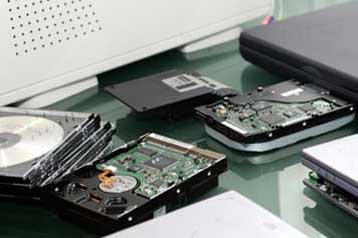
Συνολικά κατασχέθηκαν 28 σκληροί δίσκοι ηλεκτρονικού υπολογιστή, οκτώ φορητοί υπολογιστές και μεγάλες αριθμός DVD συνολικής χωρητικότητας 28.000 GB, που περιείχαν υλικό παιδικής πορνογραφίας.
Mέχρι στιγμής δεν έχουν προκύψει στοιχεία για το ενδεχόμενο να έχουν φωτογραφηθεί παιδιά από την Ελλάδα.
Newsroom ΔΟΛ, με πληροφορίες από ΑΠΕ-ΜΠΕ
Συνελήφθησαν δύο αδέλφια στην Κρήτη για διακίνηση υλικού παιδικής πορνογραφίας
Κρήτη - 20/11/08 17:12
Δύο αδέλφια από την Κρήτη, 26 και 30 ετών, αγρότης και επιχειρηματίας, αντίστοιχα, συνελήφθησαν για διακίνηση ιδιαίτερα σκληρού υλικού παιδικής πορνογραφίας μέσω Διαδικτύου.
Η υπόθεση αποκαλύφθηκε ύστερα από πληροφορίες της Ιντερπόλ, σύμφωνα με τις οποίες είχαν εντοπιστεί στοιχεία για διακίνηση παιδικής πορνογραφίας από την Κρήτη.
Μετά την ψηφιακή ανάλυση από αστυνομικούς της Δίωξης Ηλεκτρονικού Εγκλήματος εντοπίστηκαν τα στοιχεία των δύο αδελφών και μετέβη στην Κρήτη κλιμάκιο από την Ασφάλεια Αττικής που συνέλαβε τους δράστες.
Σε έρευνα διαπιστώθηκε ότι οι συλληφθέντες κατείχαν εκατοντάδες αρχεία σκληρότατου υλικού παιδικής πορνογραφίας και κατασχέθηκαν τέσσερις σκληροί δίσκοι ηλεκτρονικού υπολογιστή.
Τα αδέλφια οδηγήθηκαν στον εισαγγελέα, ενώ τα κατασχεθέντα πειστήρια στάλθηκαν για εξέταση στη Διεύθυνση Εγκληματολογικών Ερευνών.
Δύο αδέλφια από την Κρήτη, 26 και 30 ετών, αγρότης και επιχειρηματίας, αντίστοιχα, συνελήφθησαν για διακίνηση ιδιαίτερα σκληρού υλικού παιδικής πορνογραφίας μέσω Διαδικτύου.
Η υπόθεση αποκαλύφθηκε ύστερα από πληροφορίες της Ιντερπόλ, σύμφωνα με τις οποίες είχαν εντοπιστεί στοιχεία για διακίνηση παιδικής πορνογραφίας από την Κρήτη.
Μετά την ψηφιακή ανάλυση από αστυνομικούς της Δίωξης Ηλεκτρονικού Εγκλήματος εντοπίστηκαν τα στοιχεία των δύο αδελφών και μετέβη στην Κρήτη κλιμάκιο από την Ασφάλεια Αττικής που συνέλαβε τους δράστες.
Σε έρευνα διαπιστώθηκε ότι οι συλληφθέντες κατείχαν εκατοντάδες αρχεία σκληρότατου υλικού παιδικής πορνογραφίας και κατασχέθηκαν τέσσερις σκληροί δίσκοι ηλεκτρονικού υπολογιστή.
Τα αδέλφια οδηγήθηκαν στον εισαγγελέα, ενώ τα κατασχεθέντα πειστήρια στάλθηκαν για εξέταση στη Διεύθυνση Εγκληματολογικών Ερευνών.
H ελληνική νομοθεσία δεν επαρκεί, υποστηρίζει η Δίωξη Ηλεκτρονικού Εγκλήματος

Αθήνα
Το ισχύον νομοθετικό πλαίσιο δεν προσφέρει επαρκή προστασία από τη διακίνηση παιδικής πορνογραφίας και τα περιστατικά εκβιασμού μέσω Διαδικτύου, καθώς δεν προβλέπεται η άρση του απορρήτου, ανέφερε στη Βουλή ο Εμμανουήλ Σφακιανάκης, επικεφαλής του Τμήματος Δίωξης Ηλεκτρονικού Εγκλήματος της Διεύθυνσης Ασφαλείας Αττικής.
Η νομοθεσία προβλέπει άρση του απορρήτου των επικοινωνιών για υπόπτους άλλων κακουργημάτων, ωστόσο δεν περιλαμβάνει τις περιπτώσεις διακίνησης παιδικής πορνογραφίας ή εκβιασμού, είπε ο κ. Σφακιανάκης, προσκεκλημένος της Επιτροπής Έρευνας και Τεχνολογίας της Βουλής.
«Χιλιάδες εγκλήματα πλημμεληματικού αλλά και κακουργηματικού χαρακτήρα, τελούμενα μέσω του Internet, μένουν ανεξιχνίαστα» υποστήριξε.
Εξήγησε ότι ο νόμος 2225/1994 για την προστασία της ανταπόκρισης και επικοινωνίας προβλέπει την άρση του απορρήτου των τηλεφωνικών συνδιαλέξεων, για τη διακρίβωση κακουργημάτων που σχετίζονται με ανθρωποκτονίες, εκβιασμούς, σωματεμπορία, το οργανωμένο έγκλημα και την παραβίαση της νομοθεσίας για την εθνική ασφάλεια. Στις προβλέψεις, ωστόσο, δεν συμπεριλαμβάνεται η διακίνηση παιδικής πορνογραφίας από μεμονωμένα άτομα εφ’ όσον δεν συνιστούν συμμορία.
«Είμαστε με τα χέρια ψηλά. Με την ανοχή του νόμου χορεύουν οι παιδόφιλοι στις πλάτες των παιδιών μας» δήλωσε ο κ. Σφακιανάκης.
Στα ίδια νομικά κωλύματα προσκρούει και η δίωξη ατόμων που δυσφημούν εκ προθέσεως συμπολίτες τους μέσω ιστοσελίδων: «Έχουμε δεκάδες καταγγελίες στην υπηρεσία μας, από αγανακτισμένους πολίτες, που βλέπουν την κόρη τους μετά από ένα δεσμό, να εκτίθεται στο Διαδίκτυο από τον πρώην φίλο της. Έχουμε δέκα καταγγελίες κάθε μέρα - αλλά δεν μπορώ να κάνω τίποτα. Μπορώ να βρω το ίχνος του δυσφημιστή, αλλά ο νόμος απαγορεύει να δω ποιος είναι. Λογικό είναι άνθρωποι να φτάνουν στα όρια της τρέλας» ανέφερε ο κ. Σφακιανάκης.
Ο επικεφαλής της Δίωξης Ηλεκτρονικού Εγκλήματος αναφέρθηκε και σε περιστατικά ανηλίκων που δημοσιοποίησαν στο Διαδίκτυο την πρόθεσής τους να αυτοκτονήσουν. «Από το 2006 μέχρι σήμερα, είχαμε έντεκα περιπτώσεις αποτροπής αυτοκτονιών - οι τρεις, μέσα στο 2008» ανέφερε ο κ. Σφακιανάκης.
Απαντώντας στους προβληματισμούς βουλευτών, για το ενδεχόμενο να υπάρξει υπέρβαση του νόμου από τις διωκτικές αρχές, στην περίπτωση που χαλαρώσει το νομοθετικό πλαίσιο προστασίας των προσωπικών δεδομένων, ο κ. Σφακιανάκης διαβεβαίωσε: «Εμείς δεν κάνουμε καμία κίνηση εάν δεν ενημερώσουμε τον εισαγγελέα. Αστυνομία και εισαγγελείς, έχουμε αγωνία για τα εγκλήματα που γίνονται μέσω Internet. Λίγη ανθρωπιά να υπάρχει στον αστυνομικό, αγωνιά. Και σε καμία περίπτωση δεν θα κάναμε παραβίαση του νόμου».
Newsroom ΔΟΛ, με πληροφορίες από ΑΠΕ-ΜΠΕ
Συνελήφθη για μαστροπεία και διακίνηση παιδικής πορνογραφίας ο υπεύθυνος Τύπου της ΓΣΕΕ
Αθήνα
Κατηγορούμενος για μαστροπεία κατ' εξακολούθηση και για διακίνηση παιδικής πορνογραφίας μέσω ιστοσελίδας του Διαδικτύου συνελήφθη την Τετάρτη ο υπεύθυνος του Γραφείου Τύπου της ΓΣΕΕ. Την Πέμπτη θα οδηγηθεί στην Εισαγγελία.
Μετά από ψηφιακή ανάλυση, ειδικά εκπαιδευμένοι για θέματα Internet αξιωματικοί, που ανήκουν στο Τμήμα Ηθών, διαπίστωσαν ότι ιδιοκτήτης της εν λόγω ιστοσελίδας ήταν ο υπεύθυνος του Γραφείου Τύπου της ΓΣΕΕ, που είναι ανύπαντρος και μένει στην Αγία Παρασκευή.
Στο σπίτι του δράστη υπήρχαν δύο ηλεκτρονικοί υπολογιστές, μέσω των οποίων διακινούσε στην ιστοσελίδα παιδική πορνογραφία. Η επίσκεψη στην ιστοσελίδα γινόταν είτε μέσω κωδικού είτε μέσω γραπτών μηνυμάτων από το κινητό σε όλη τη διάρκεια του 24ώρου.
Επίσης, στο σπίτι του δράστη βρέθηκαν και κατασχέθηκαν οκτώ πιστωτικές κάρτες διαφόρων τραπεζών και πλήθος αγγελιών ανήλικων κυρίως, κοριτσιών. Βρέθηκαν ακόμη CD και δισκέτες με πορνογραφικό υλικό, κυρίως αγγελιών.
Ανακοίνωση της ΓΣΕΕ
Την πλήρη διαλεύκανση και την απόδοση αυστηρών ποινικών κυρώσεων, εφ' όσον αποδειχτεί η ενοχή του υπεύθυνου του Γραφείου Τύπου της ΓΣΕΕ, που κατηγορείται για μαστροπεία κατ' εξακολούθηση και για διακίνηση παιδικής πορνογραφίας μέσω ιστοσελίδας στο Internet, ζητά η Συνομοσπονδία με ανακοίνωση της.
«Εκπλησσόμαστε γι' αυτές τις αθλιότητες που φέρεται ότι έκανε δημοσιογράφος που εργαζόταν στο Γραφείο Τύπου της ΓΣΕΕ. Οι παράνομες αυτές και άθλιες 'δραστηριότητες' σε καμιά περίπτωση δεν γινόντουσαν εντός του κτιρίου της ΓΣΕΕ. Ο ως άνω δημοσιογράφος τίθεται άμεσα σε αργία με απόφαση του προέδρου και τις επόμενες ημέρες θα συνεδριάσει η Εκτελεστική Επιτροπή της ΓΣΕΕ για τα περαιτέρω, στην οποία ο πρόεδρος θα εισηγηθεί την απόλυσή του» αναφέρεται επίσης στην ανακοίνωση.
Newsroom ΔΟΛ, με πληροφορίες από ΑΠΕ
Κατηγορούμενος για μαστροπεία κατ' εξακολούθηση και για διακίνηση παιδικής πορνογραφίας μέσω ιστοσελίδας του Διαδικτύου συνελήφθη την Τετάρτη ο υπεύθυνος του Γραφείου Τύπου της ΓΣΕΕ. Την Πέμπτη θα οδηγηθεί στην Εισαγγελία.
Μετά από ψηφιακή ανάλυση, ειδικά εκπαιδευμένοι για θέματα Internet αξιωματικοί, που ανήκουν στο Τμήμα Ηθών, διαπίστωσαν ότι ιδιοκτήτης της εν λόγω ιστοσελίδας ήταν ο υπεύθυνος του Γραφείου Τύπου της ΓΣΕΕ, που είναι ανύπαντρος και μένει στην Αγία Παρασκευή.
Στο σπίτι του δράστη υπήρχαν δύο ηλεκτρονικοί υπολογιστές, μέσω των οποίων διακινούσε στην ιστοσελίδα παιδική πορνογραφία. Η επίσκεψη στην ιστοσελίδα γινόταν είτε μέσω κωδικού είτε μέσω γραπτών μηνυμάτων από το κινητό σε όλη τη διάρκεια του 24ώρου.
Επίσης, στο σπίτι του δράστη βρέθηκαν και κατασχέθηκαν οκτώ πιστωτικές κάρτες διαφόρων τραπεζών και πλήθος αγγελιών ανήλικων κυρίως, κοριτσιών. Βρέθηκαν ακόμη CD και δισκέτες με πορνογραφικό υλικό, κυρίως αγγελιών.
Ανακοίνωση της ΓΣΕΕ
Την πλήρη διαλεύκανση και την απόδοση αυστηρών ποινικών κυρώσεων, εφ' όσον αποδειχτεί η ενοχή του υπεύθυνου του Γραφείου Τύπου της ΓΣΕΕ, που κατηγορείται για μαστροπεία κατ' εξακολούθηση και για διακίνηση παιδικής πορνογραφίας μέσω ιστοσελίδας στο Internet, ζητά η Συνομοσπονδία με ανακοίνωση της.
«Εκπλησσόμαστε γι' αυτές τις αθλιότητες που φέρεται ότι έκανε δημοσιογράφος που εργαζόταν στο Γραφείο Τύπου της ΓΣΕΕ. Οι παράνομες αυτές και άθλιες 'δραστηριότητες' σε καμιά περίπτωση δεν γινόντουσαν εντός του κτιρίου της ΓΣΕΕ. Ο ως άνω δημοσιογράφος τίθεται άμεσα σε αργία με απόφαση του προέδρου και τις επόμενες ημέρες θα συνεδριάσει η Εκτελεστική Επιτροπή της ΓΣΕΕ για τα περαιτέρω, στην οποία ο πρόεδρος θα εισηγηθεί την απόλυσή του» αναφέρεται επίσης στην ανακοίνωση.
Newsroom ΔΟΛ, με πληροφορίες από ΑΠΕ
Κεντρική υπηρεσία κατά της παιδικής πορνογραφίας στο Διαδίκτυο δημιουργεί η ΕΕ
Βρυξέλλες
Η Ευρωπαϊκή Ένωση θα δημιουργήσει ένα κεντρικό σύστημα έγκαιρης επισήμανσης κρουσμάτων παιδικής πορνογραφίας στο Διαδίκτυο, προκειμένου να ενισχυθούν και να συντονιστούν οι διωκτικές Αρχές στην προσπάθειά τους να πατάξουν το φαινόμενο, ανακοινώσε την Παρασκευή η Κομισιόν.
«Η πλατφόρμα θα βοηθήσει τις διωκτικές αρχές του διαδικτυακού εγκλήματος στα κράτη-μέλη της ΕΕ να ανταλλάσσουν πιο αποτελεσματικά πληροφορίες και να αποφεύγεται έτσι η περιττή επανάληψη των προσπαθείων τους να πατάξουν την παιδική πορνογραφία» αναφέρει η Ευρωπαϊκή Επιτροπή σε ανακοίνωσή της.
Η Κομισιόν πρόκειται να διαθέσει στην Europol 300.000 ευρώ για τη δημιουργία του συστήματος αυτού, το οποίο για πρώτη φορά θα επιτρέψει σε όλες τις χώρες μέλη της ΕΕ να συντονίσουν τις προσπάθειές τους με στόχο την αποτελεσματικότερη αντιμετώπιση της παιδικής πορνογραφίας.
«Η παιδική πορνογραφία αντιπροσωπεύει σήμερα τουλάχιστον το ήμισυ όλων των εκληματικών ενεργειών που διαπράττονται στο Διαδίκτυο» αναφέρει η Κομισιόν, επισημαίνοντας ότι τα δίκτυα παιδικής πορνογραφίας έχουν συχνά διεθνείς διαστάσεις, με αποτέλεσμα να απαιτείται η συνεργασία μεταξύ των κρατών-μελών της ΕΕ.
Την Τετάρτη οι ευρωβουλευτές συμφώνησαν στην εκταμίευση 55 εκατομμυρίων ευρώ για τη δημιουργία ενός «Ασφαλούς Ίντερνετ», το οποίο θα βελτιώσει τις συνθήκες ασφάλειας για τα παιδιά που σερφάρουν στον κυβερνοχώρο, θα προωθήσει την ενημέρωση του κοινού και θα δημιουργήσει εθνικά κέντρα αναφοράς κρουσμάτων παραβατικότητας στο Διαδίκτυο.
Newsroom ΔΟΛ, με πληροφορίες από ΑΠΕ/Reuters
Subscribe to:
Posts (Atom)